Introduction — a small scene, a steady fact, a lingering question
I once sat with a neighbor who swore by a home device that promised faster recovery after long runs; she was hopeful, then puzzled. Many people reach for a red light therapy company when off-the-shelf gadgets do not match clinic results (amar mone hoy — I remember her voice). Recent surveys suggest a large share of users report mixed outcomes and unclear guidance, and that mismatch matters more than we think.
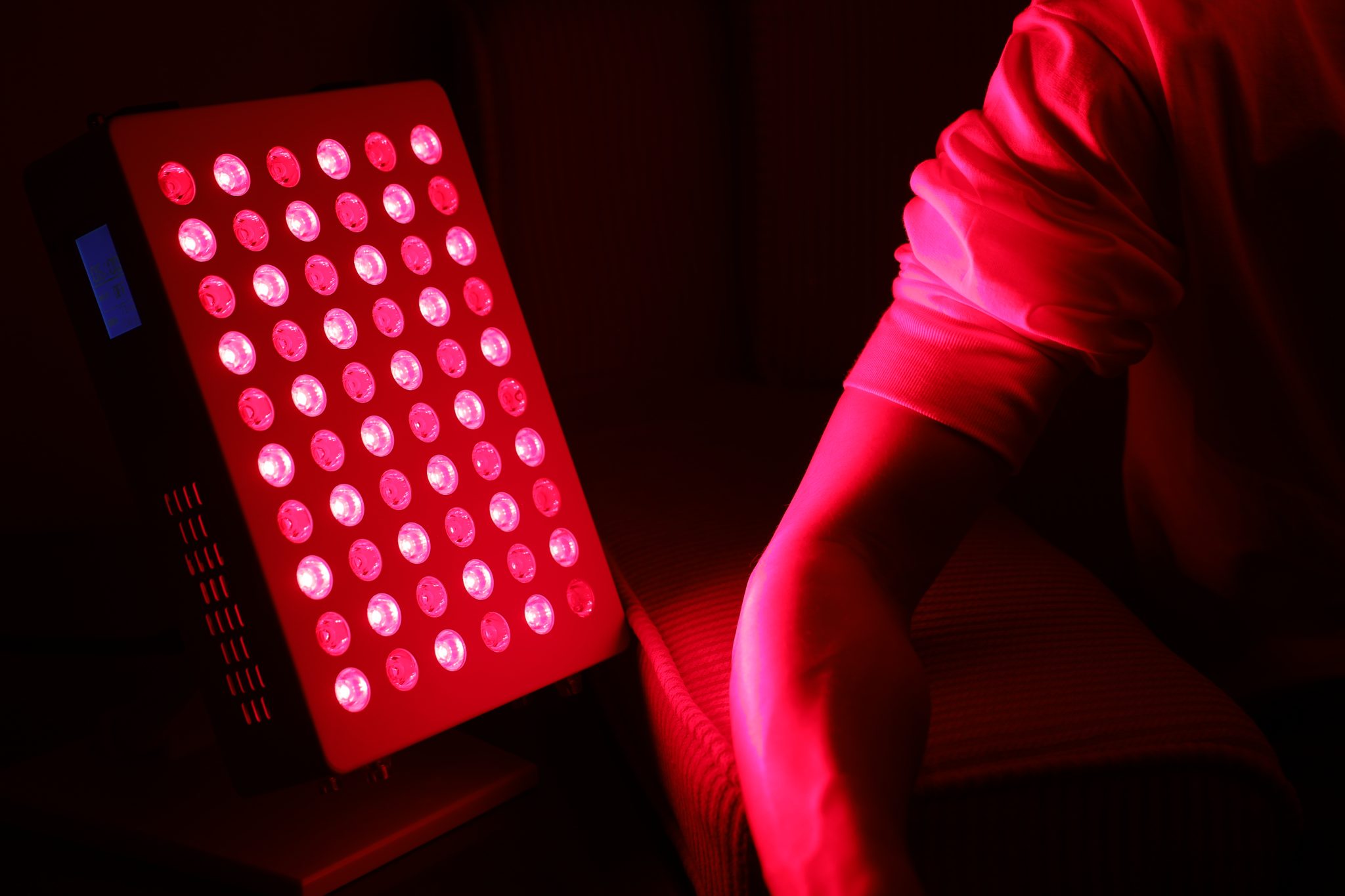
Here I sketch a simple scene: you, tired after work, place an LED array over a sore shoulder; you follow the manual, yet the pain hangs on. Why do some setups feel like magic while others fizzle? I want to ask this plainly: what separates a true therapeutic solution from a flashy gadget? The short data point: inconsistent irradiance and poorly documented wavelengths often explain the gap. Photobiomodulation needs the right dose, timing, and device build to work—so the choice of partner matters as much as the light itself.
My tone is gentle, slightly academic and a little poetic; I share what I’ve learned, not preach. I’ll point to technical terms like wavelength, irradiance, and dosage—but I’ll keep it practical. Ready to look under the hood? Let’s move from the lived scene into the real flaws that trip up users and companies alike.
Deeper Layer: Why many solutions fail (technical view)
Why do devices fall short?
best company for red light therapy often gets mentioned in honest conversations I have with clinicians and users, and for good reason: many vendors skip core engineering steps. I’ve examined devices where advertised power did not match measured irradiance, where LED arrays were cheap and uneven, and where near-infrared and red wavelengths were mixed without clear protocol. Those flaws matter: photobiomodulation relies on precise wavelengths and consistent irradiance to trigger cellular responses. When you don’t hit the right wavelength or the dose is off, results are weak.
Let me be direct: a poorly specified power converter or a misaligned LED grid can turn a promising session into a waste of time. I’ve seen product sheets that list wattage but not effective irradiance at treatment distance—big difference. Look, it’s simpler than you think: if a device cannot report measured output and treatment protocol, it’s not built for consistent therapy. I talk to engineers who test devices with radiometers; they find odd dips and spikes. Users feel that as inconsistent outcomes. We need transparency—wavelength charts, dosage tables, and real testing data. Without those, the shiny box is just that: shiny, not therapeutic.
Forward Look: New principles, practical choices, and clear metrics
What’s Next — principles and metrics
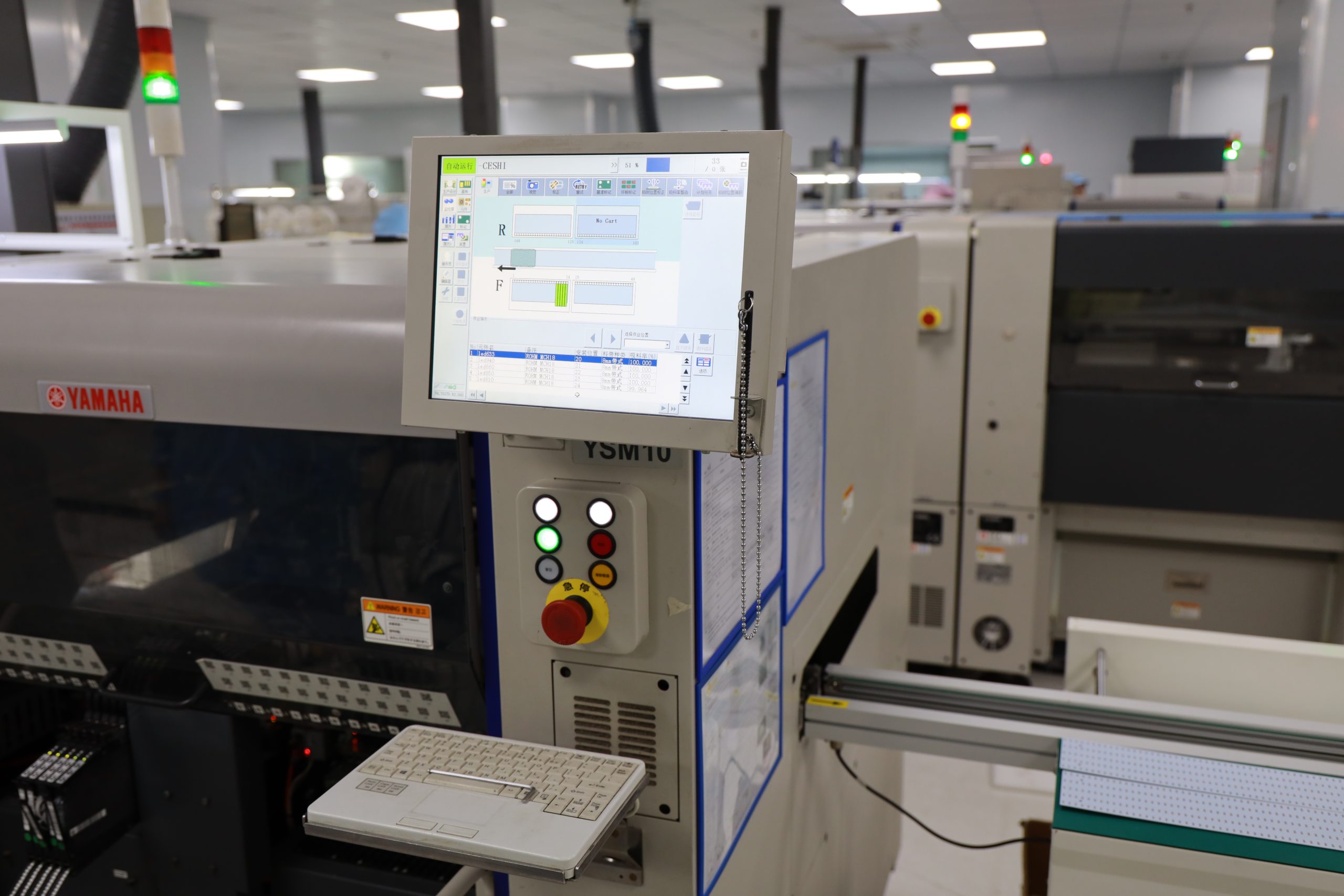
Moving ahead, I focus on new technology principles and realistic choices. I see promising shifts: manufacturers who design with proper heat management, consistent LED arrays, and clear therapy protocols. When a partner (yes, I’m talking about the best company for red light therapy in a given conversation) shares measured irradiance at treatment distance, wavelength spectra, and recommended dosage, I pay attention. These are not marketing tricks; they are engineering practices—thermal design, LED binning, and verified output—that lead to repeatable outcomes.
Case example: a small clinic replaced an older device with a newer system that reported near-infrared peak at 850 nm and stable irradiance across the panel. They tracked patient sessions and saw steady improvement in recovery times over months—slow but measurable. This shows that protocol consistency and honest specs beat headline claims. — funny how that works, right? So when you compare suppliers, weigh real data over glossy photos.
I’ll leave you with three concrete evaluation metrics I use and recommend: 1) Measured irradiance charts at common treatment distances (not just wattage), 2) Clear wavelength/spectrum data and protocol guidance, 3) Independent testing or clinical references showing repeatable results. These metrics help you cut through noise. I’ve learned to ask tough questions and I value partners who answer them plainly. In that spirit of plainness, if you want a starting point for trusted design and transparency, consider how companies present data and support—then judge for yourself.