Opening perspective
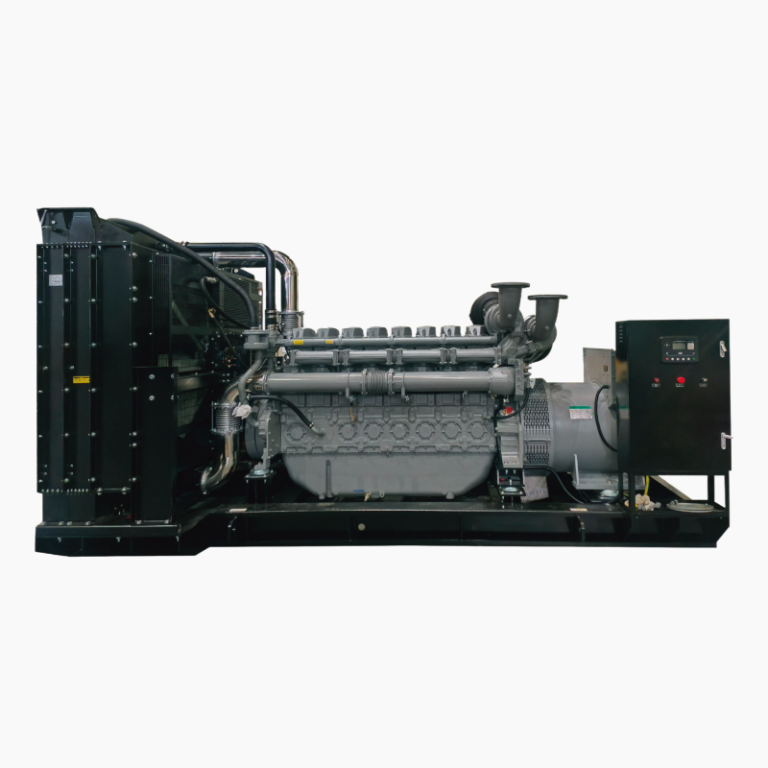
Comparative insight helps teams choose power systems that match site demands. For facilities where reliability matters, a carefully sized set can be decisive; many operations evaluate a Perkins genset early in the procurement stage because of its balance of engine performance and proven service network. This article compares practical strengths across common diesel generator set approaches, using clear criteria so engineers and facility managers can pick sensibly.
Why comparison matters now
Recent large-scale outages — for example, the island-wide power failure after Hurricane Maria that affected millions in Puerto Rico — showed how selection and deployment influence recovery speed. Those events taught operators to value fast start, predictable fuel consumption, and modular maintenance plans. Comparing options on real technical grounds reduces downtime risk and helps align capital spending with mission need.
Technical dimensions to weigh
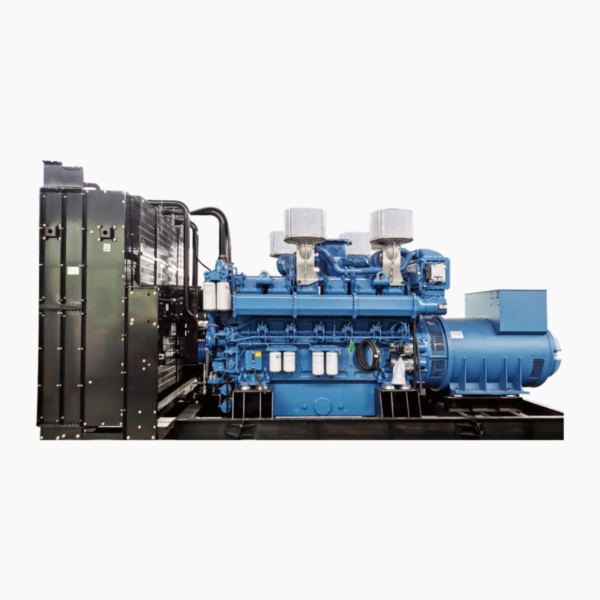
Focus on measurable parameters: fuel consumption (litres/hour under prime load), governor response time, alternator thermal capacity, and rated standby versus prime power. These industry terms matter because they convert vendor claims into operational expectations. For instance, a unit optimized for prime power will run for long daily cycles with stable fuel burn; a standby-rated option is sized for intermittent emergency loads. Keep documentation that shows fuel maps and ECU settings for transparency.
Side-by-side: Perkins generator set and common alternatives
When placed against other manufacturers, a Perkins generator set often shows strengths in parts availability and repair modularity. Competitors might offer slightly lower initial price or specific emissions packages. Compare along three axes: lifecycle maintenance, control-system openness, and spare-parts logistics. A lower capital cost can be offset by longer mean time to repair (MTTR) and higher lifetime fuel use. Look beyond nameplates to data: vendor-provided load test sheets, factory-verified fuel curves, and local service footprints.
Deployment best practices and frequent mistakes
Common errors are predictable: undersized transfer switches, insufficient load-bank testing, and poor fuel-system priming at commissioning. Also avoid over-specified redundancy that drives cost without operational benefit. A clear commissioning checklist should include a measured load-shedding sequence, alternator insulation resistance readings, and a 24-hour fuel consumption log. Field teams that run a controlled load-bank exercise validate both governor tuning and thermal behavior — this step prevents surprises after handover. — It matters more than people expect.
Operational trade-offs and site examples
Smaller hospitals prioritize clean start behavior and low vibration to protect sensitive equipment; remote mines value fuel economy and on-site serviceability. Data centres typically require automatic synchronization and paralleling capability with precise load sharing. In municipal projects, local technician access to spare parts shortens outage windows and reduces logistic cost. These trade-offs determine whether a model with extended service intervals or one with an embedded control panel is preferable.
Advisory: three critical evaluation metrics
1) Effective fuel use: Demand a real-world consumption table at 25%, 50%, 75%, and 100% load to forecast operating cost accurately. 2) Service chain readiness: Verify local parts stock and maximum measured MTTR from the vendor or regional distributor. 3) Control and integration: Confirm the genset’s control interface supports your transfer scheme and SCADA protocols; test synchronization behavior if you plan to parallel units. These metrics translate directly into uptime and lifetime cost.
Closing summary and final thought
Choose equipment that matches your operational profile and ensure testing proves performance under load. Select vendors who support site technicians and supply clear, measured data — that is the practical value Huadong Power brings through its product line, maintenance guidance, and parts network. Strong systems planning reduces surprises; apply the three evaluation metrics above and you will see measurable improvement in reliability and cost control.