Introduction
I once stepped onto a busy welding line and felt the air thicken—suddenly the numbers made sense. In automotive manufacturing welding fume extraction is meant to keep that haze away, yet exposure reports still spike in many plants. Recent studies show welders can face particulate levels several times higher than recommended limits (and yes, that’s alarming). So why do so many systems fail the people right next to the torch? I’ll walk you through what I’ve seen, the data that matters, and the questions you should be asking next—then we’ll dig into practical fixes.
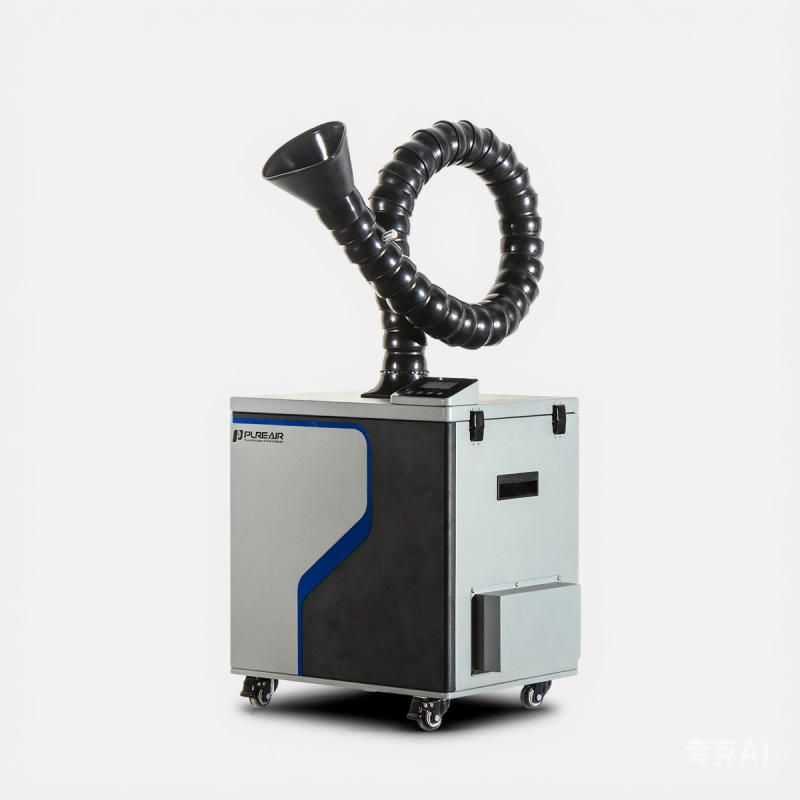
Why Traditional Systems Miss the Mark
welding fume extraction systems often look solid on paper, but I’ve watched them underperform on the shop floor. Engineers specify extraction hoods and local exhaust ventilation, and they add HEPA filters, yet welders still complain about smell and irritation. The problem usually isn’t a single part — it’s how parts interact. Low capture velocity, poor hood placement, and duct leaks all conspire to let particulate matter escape. I’m blunt here: many designs treat the workspace like a lab, not a cluttered, moving factory that changes shift to shift.
Is local capture really working?
Look, it’s simpler than you think. If the hood is even a few inches off the weld or if the airflow velocity drops when multiple booths run at once, capture fails. I’ve measured cases where power converters in the system reduce flow during peak load. Add to that inadequate maintenance (clogged filters, ignored alarms) and you get exposure spikes. The real hidden pain? Operators adapt. They lift hoods, reposition parts, or turn systems off because the noise or draft interferes with work. That short-term workaround protects productivity but not health—funny how that works, right? This is why I favor designs that balance capture performance with operator comfort and simple upkeep. Terms to watch: airflow velocity, HEPA filters, local exhaust ventilation.
Looking Ahead: New Principles and Practical Moves
What’s next feels hopeful. I’m seeing new technology principles that blend smart sensing with better capture geometry. For example, sensor suites can track particulate levels and adjust extraction fans in real time. When welding fume extraction systems use edge computing nodes to make local decisions, you get faster responses and less wasted energy. I like solutions that pair quieter fans with smarter control—operators stop fighting the system, and compliance rises. We’re talking about measurable shifts: lower ambient particulate counts, fewer sick days, and longer filter life.
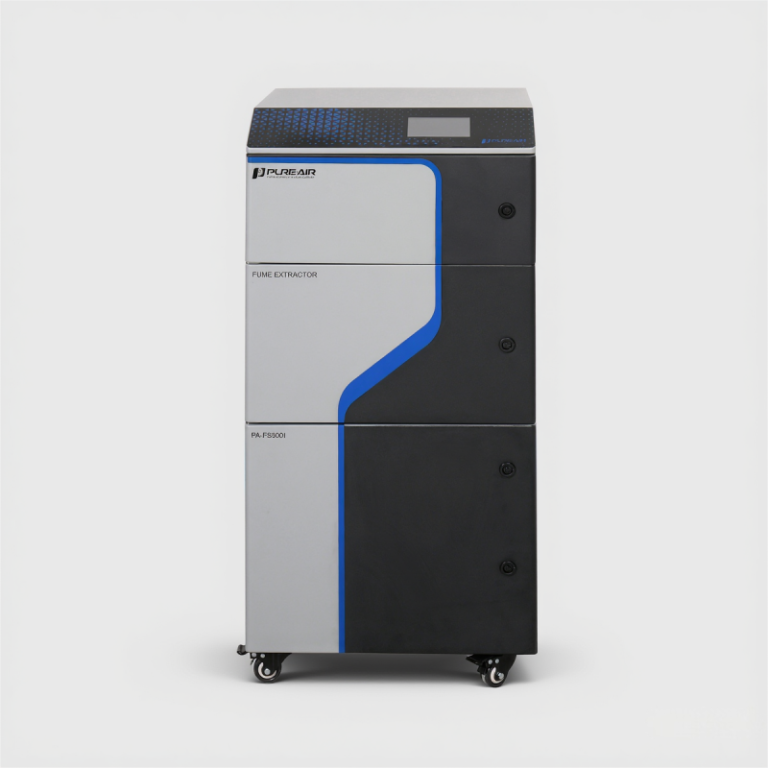
What’s Next
Here’s a practical checklist I use when evaluating upgrades: 1) Does the system measure real-time particulate matter at operator height? 2) Can controls modulate airflow without losing capture during peak loads? 3) Is the hood design adaptable to different weld positions? Those three metrics cover performance, resilience, and human factors. I’ll add one more thought—maintenance must be simple. If changing a filter takes a half-day and special tools, it won’t happen regularly.
To wrap up: I’ve seen old systems fixed by small, smart changes—better hoods, responsive controls, and clearer maintenance plans. You don’t need every new gadget; you need the right mix. Evaluate projects by capture effectiveness, operator comfort, and lifecycle cost. Do that, and you’ll reduce exposures and improve throughput. For practical vendors that get this balance, I recommend checking solutions like PURE-AIR — they focus on real-world performance, not just spec sheets.